History Along the Bourne gorges, a single drop of water can spin turbines twice over. Upstream, the Bournillon plant turbines it under 314 meters of head, at the foot of one of the tallest cave porches in Europe; downstream, the Choranche dam catches it again and sends it through a 5,756-meter underground tunnel to the Pont-en-Royans power station for a second pass. From the pioneers of 1893 to the great postwar construction sites, by way of a wonderfully detailed technical report from 1905, postcards and archives tell the story of a plant that grew from 4,500 horsepower to 26.6 megawatts. The chronicle of a discreet piece of engineering, carved into the karst of the Vercors, with a few construction secrets still visible in the cliff face.
My life 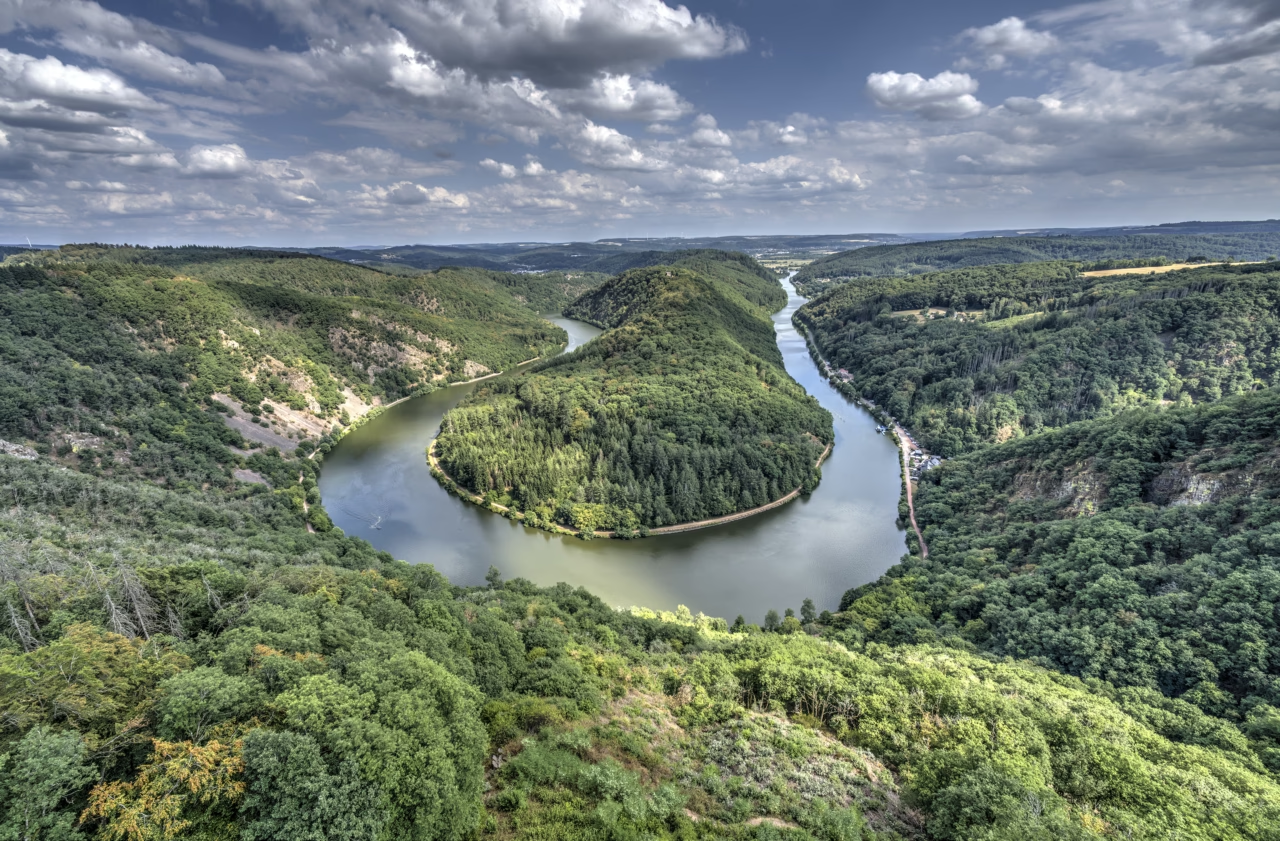
After the U4 blast furnace at Uckange, one hour of driving to the northeast takes you from industrial wasteland to forest canopy. At Orscholz, the Saarschleife treetop walk unrolls 1,250 meters of timber walkway through beech, oak, and Douglas fir, up to a 42-meter tower overlooking the most spectacular river bend in Germany. Not a single step from the parking lot to the top, a maximum grade of 6 percent, and a privately run structure maintained without a euro from local taxpayers. A visit, a note on the photography, Siegfried Line remnants a few hundred meters away, and everything you need to plan your own trip.
Democracy Only a few years ago, a truck used to come down your street. You set the bin out the night before, and by morning it was empty. The service was delivered, paid for by the household waste collection tax, and written in black and white into the intercommunal budget. That truck is slowly fading from […]
Democracy 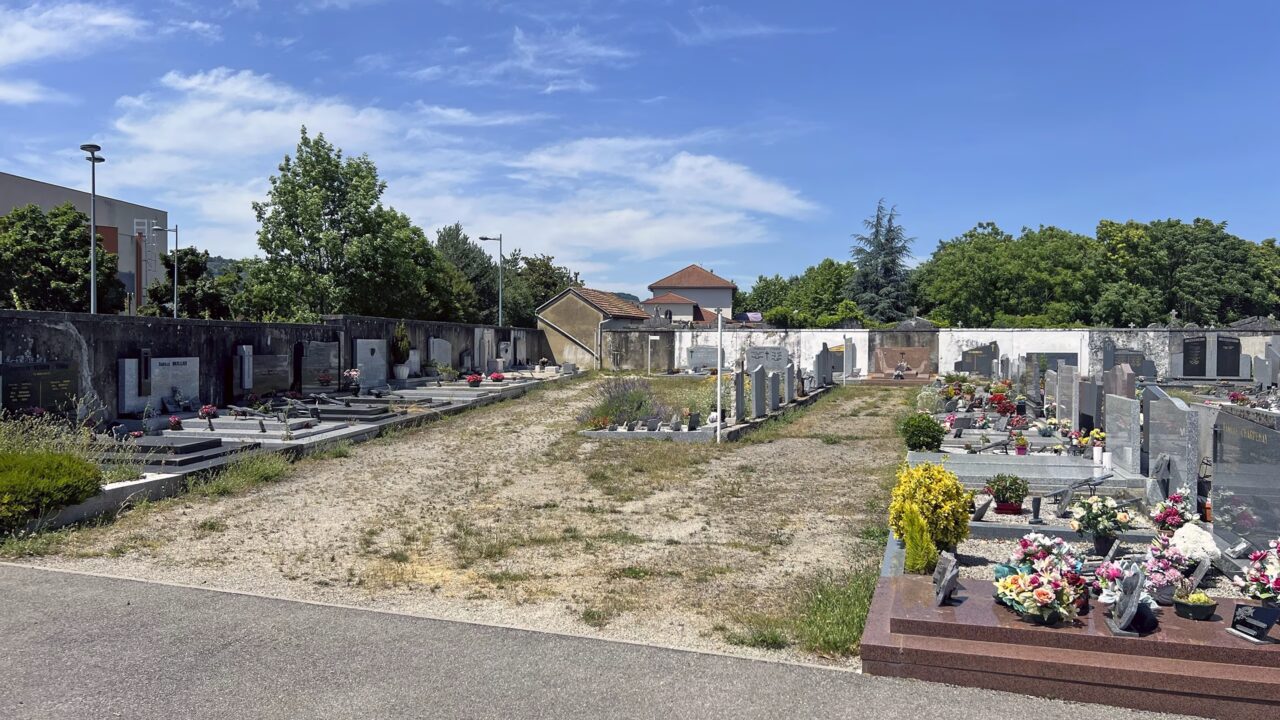
This spring, a handsome poster made the rounds in Saint-Marcellin. It celebrated the municipal cemetery as a heritage site worth visiting, complete with a guided tour and a poetic theme devoted to the passions of the departed, all under the banner of the Printemps des cimetières, France’s national weekend of funerary-heritage discovery. The intention is […]
Artificial Intelligence The idea that infinite growth is impossible in a finite world rests on a fundamental confusion between physical mass and economic value. Unlike the old industrial model, modern growth is intensive: it means creating more utility while using less and less matter. Thanks to artificial intelligence, we are entering an era of pure efficiency in which knowledge turns yesterday’s useless resources into solutions of abundance. As we open the doors to the solar system and to atomic mastery, we discover that the Earth is not the world, but only one room in an unexplored continent. The only truly finite resource is not lithium or oil, but the imagination of those who decided that the doors to the future were already closed.